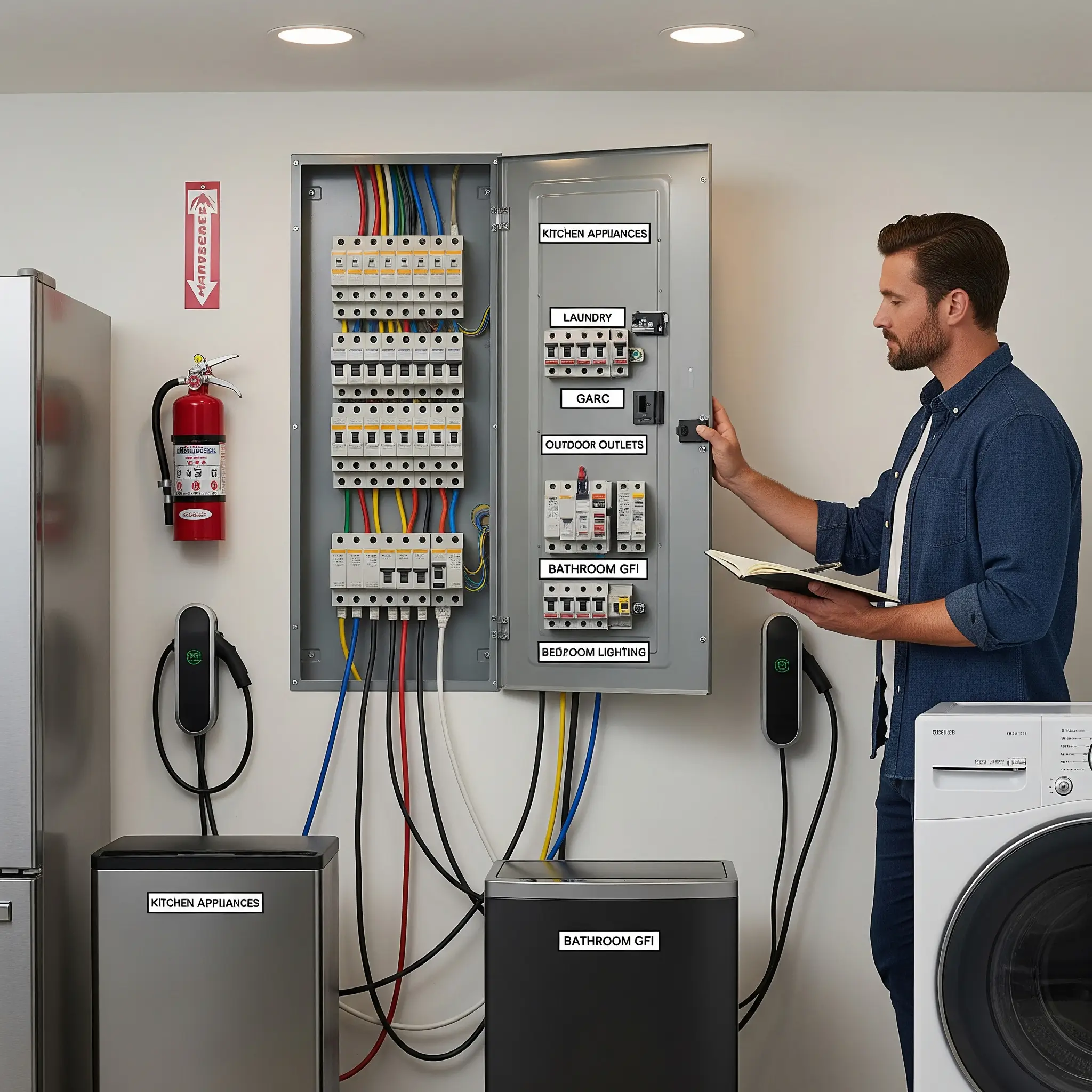
One of the most exciting things in life is the time we buy our first home. It’s one of the biggest accomplishments and it feels good if it’s done in the right way. With a new home however come new responsibilities, like maintaining the roof, the paint and one the most important things is the safety which comes down to dedicated circuits. This is why we decided to write this article, where you will find a few facts about dedicated circuits that first time homeowners should be familiar with, reports Cob Services.
What Is a Dedicated Circuit?
A dedicated circuit refers to a power line which is uniquely linked to its own breaker in an electrical panel. Unlike typical circuits which may service numerous outlets, a dedicated circuit offers service to a single device or appliance. This is to guarantee that very powerful devices receive the full range of energy needed without competing for charge.
Most dedicated circuits are 15 or 20 amp circuits. Some appliances also need 30, 40 or 50 amp circuits. For instance, a refrigerator or washing machine commonly has its own circuit, while an electric range or central air unit requires even more capacity.
Why Do Homeowners Need Dedicated Circuits?
Dedicated circuits are primarily for safety rather than convenience. In the absence of dedicated circuits, appliances may draw too much power on shared circuits, leading to:
- Unpredictable shut downs of appliances due to tripped breakers
- Overheating wiring, which deteriorates insulation
- Fiery risks conceiled within walls
In addition, many major appliances require their own circuits by National Electrical Code (NEC) standards, which means that they’re not optional but mandatory for compliance.
How to Know When you Need More Dedicated Circuits
The majority of first-time homeowners find out the hard way that they need more additional circuits during daily chores. If the following is true, you may derive more of a benefit from having additional dedicated circuits.
- Using a microwave and a toaster oven simultaneously trips the breaker
- A blow dryer activating a bathroom outlet causes power to shut off
- Some outlets are incapable of suporting small appliances, the fridge, or lights without interruption
These are warning signs that your electrical system is inadequate for your home.
Common Appliances That Require Dedicated Circuits
The following appliances typically need their own dedicated circuits:
- Refrigerators and freezers
- Electric ovens and ranges
- Dishwashers
- Washing machines and dryers
- Microwaves (over 1,000 watts)
- Heating and cooling systems
- Garbage disposals
- Sump pumps and water pumps
- Water heaters
- Hot tubs and saunas
Benefits of Dedicated Circuits for New Homeowners
- Increased Safety: Diminishes chance of electrical shocks or fires.
- Consistent Reliability: Guarantees no interruption of power during appliance usage.
- Compliance with Standards: Within electrical code limitations for your home.
- Freedom of Concern: Peace of mind running various appliances simultaneously.
Final Thoughts for Homeowners
For new residents, grasp the the ins and outs of the electrical system should be of utmost importance. The electrical system should be one of the first features examined. Dedicated circuits protect and are efficient, which improves safety and business machinery. If your house is experiencing tripping breakers or you intend to add appliances, consult your electrical contractor to determine if surrendering additional circuits is advisable.